Solar photovoltaic (PV) farms are gaining traction in Malaysia as the country aims to boost its renewable energy capacity. Solar PV farms are large-scale installations designed to capture sunlight and convert it into electricity, contributing significantly to Malaysia’s sustainable energy goals. Depending on the geographical landscape, availability of land, and purpose, different types of solar PV farms are utilized. In this article, we’ll explore the various types of solar PV farms available in Malaysia and their distinct advantages.

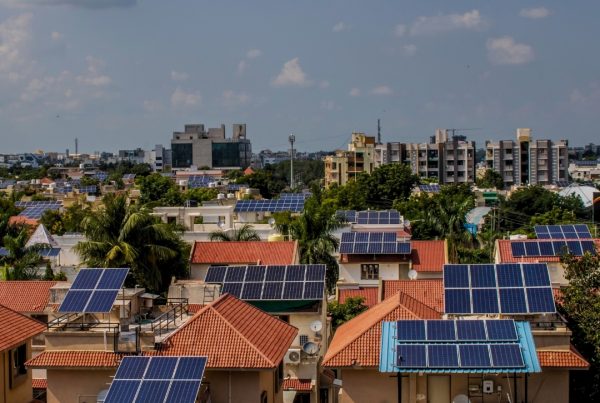
Example for Solar PV Farms
1. Solar PV Farms
Rooftop solar systems are commonly installed on the rooftops of buildings, including residential homes, commercial properties, and industrial complexes. These installations are ideal for urban areas where space is limited.
Key Benefits:
- Space Efficiency: Utilizes unused roof space without requiring extra land.
- Cost-Effective: Reduces electricity bills by allowing the building owner to generate their own power.
- Government Incentives: Many rooftop systems in Malaysia benefit from programs like the Net Energy Metering (NEM) scheme.
Ideal For: Homes, office buildings, and factories looking to reduce energy costs without expanding their footprint.

Example for Floating Solar PV Farms
2. Floating Solar PV Farms
Floating solar farms are installed on bodies of water such as reservoirs, lakes, and ponds. This type of solar farm is gaining popularity in Malaysia, where land availability can be a challenge.
Key Benefits:
- Land Conservation: Floating systems do not compete with land needed for agriculture or development.
- Increased Efficiency: The water beneath the panels helps to cool the system, potentially increasing energy output.
- Reduced Evaporation: Helps to minimize water loss from reservoirs, which is especially beneficial in Malaysia’s hot climate.
Ideal For: Reservoirs, dams, and water bodies in both urban and rural areas.

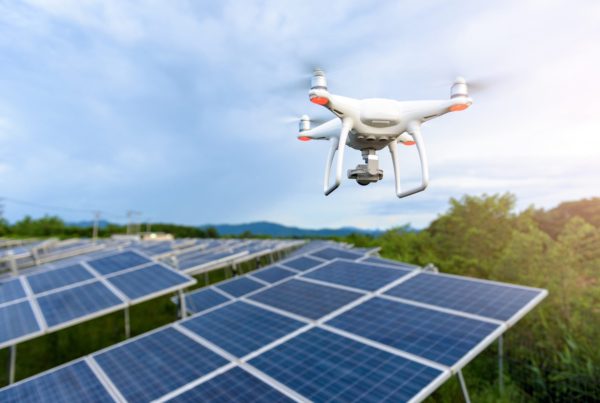
Visual Example of Ground-Mounted Solar PV Farms
3. Ground-Mounted Solar PV Farms
Ground-mounted solar farms are large-scale installations placed on open land, typically in rural or industrial areas. They are the most common type of solar PV farm, particularly for utility-scale solar projects.
Key Benefits:
- High Energy Output: These systems can cover large areas, allowing for a significant amount of energy production.
- Flexible Siting: Ground-mounted farms can be installed in areas where rooftop or floating systems aren’t viable.
Ideal For: Large, undeveloped land plots or industrial zones where there is ample space for solar arrays.

Visual Example of Outdoor Sports Centre Solar PV
4. Outdoor Sports Centre Solar PV
Solar panels can also be integrated into outdoor sports facilities, such as covered basketball courts, gymnasiums, and stadiums. This is a creative way to provide renewable energy for recreational areas while also shading the facility.
Key Benefits:
- Dual Purpose: Provides renewable energy while also serving as a shade structure for sports activities.
- Cost Savings: Offsets energy costs for lighting and other electrical needs in sports centres.
Ideal For: Large sports complexes or recreational areas in cities, universities, and community centres.

Visual Example of Car Porch Solar PV Farms
5. Car Porch Solar PV Farms
Car porch solar systems involve installing solar panels over parking lots or carports. This solution is becoming more common in Malaysia’s urban areas, where parking spaces are plentiful and often underutilized.
Key Benefits:
- Maximizes Space: Provides dual functionality by generating energy and offering shaded parking for vehicles.
- Improves Urban Energy Efficiency: Helps reduce urban heat island effects while providing renewable energy to nearby buildings.
Ideal For: Shopping malls, office complexes, airports, and large parking areas.
Conclusion
The diversity of solar PV farm types in Malaysia makes solar energy accessible for various applications, whether in urban or rural settings, on land or water. From rooftop systems to floating solar farms, each type offers unique benefits tailored to different environments and needs. As Malaysia continues its push toward renewable energy, solar PV farms will undoubtedly play a critical role in shaping a sustainable future.
By choosing the right type of solar PV farm, businesses, government entities, and homeowners alike can contribute to reducing carbon emissions and securing a cleaner energy future for Malaysia.