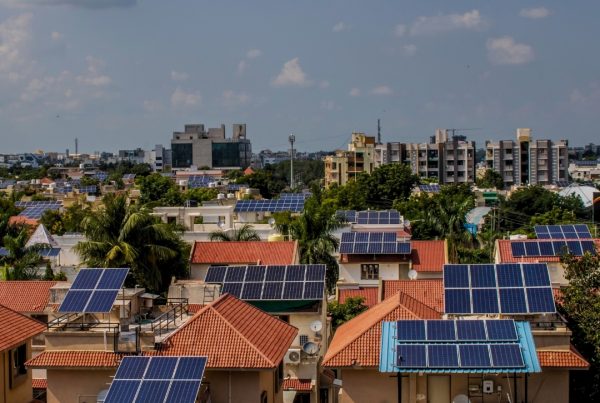
Solar panels are designed to convert sunlight into electricity, but many people wonder whether hot weather affects their efficiency. Given that Malaysia experiences high temperatures, understanding how heat impacts solar panel performance is crucial for those considering solar energy.

Solar Panel in the Selakan island Semporna Sabah Borneo Malaysia
How Solar Panels Work
Solar panels operate using photovoltaic (PV) cells that capture sunlight and convert it into electricity. While sunlight is essential for energy production, temperature plays an important role in how efficiently these panels work. When light hits the PV cells, it generates electricity, but when the panels get too hot, their performance can decrease.
The Impact of Heat on Solar Panels
- Temperature and Efficiency
Solar panels are less efficient at converting sunlight into electricity when temperatures are extremely high. This is due to the fact that photovoltaic cells perform better in cooler conditions. The ideal temperature for solar panels is around 25°C. When the temperature rises above this threshold, the efficiency of the panels can drop by 0.4% to 0.5% per degree Celsius.In hot climates like Malaysia, where temperatures can regularly exceed 30°C to 35°C, solar panels may not produce as much electricity as they would in cooler conditions. However, this reduction in efficiency is generally small and won’t negate the benefits of solar power. - Thermal Overheating
In extreme cases, solar panels can overheat, causing them to degrade faster. This is rare in Malaysia, but proper installation and ventilation can help prevent overheating. Modern solar panels are designed with heat resistance in mind, ensuring they can withstand higher temperatures without significant damage. - Solar Panel Design and Cooling Mechanisms
Solar manufacturers are aware of the heat issue and have designed panels to minimize efficiency loss. Many modern solar panels come with cooling mechanisms or are mounted in ways that allow for better air circulation, which helps dissipate excess heat. Installing solar panels with a slight tilt can also aid in ventilation and cooling.

Solar Panel in the Selakan island Semporna Sabah Borneo Malaysia
Maximizing Efficiency in Hot Weather
To ensure maximum efficiency in Malaysia’s hot climate, you can take the following steps:
- Choose the Right Panels
Opt for high-quality solar panels with a lower temperature coefficient. Panels with a better tolerance for heat will lose less efficiency when the temperature rises. - Proper Installation
Ensuring that your solar panels are installed with enough space for ventilation can help reduce heat buildup. Roof-mounted systems should allow for airflow between the roof and the panels. - Regular Maintenance
Keep your panels clean and free of debris, which can block sunlight and exacerbate heat buildup.
Conclusion
While solar panels do experience some loss of efficiency in hot weather, this impact is generally minimal and manageable. Malaysia’s abundant sunshine more than compensates for any slight drops in efficiency due to heat. With proper installation and maintenance, solar panels remain a highly effective and reliable source of renewable energy, even in warm climates like Malaysia.